Our Common Products

Products

Connecticut's Best Water Treatment Options

Not every home needs the same system. Here’s a clear breakdown of the options that work best
in Connecticut.
Water

Softeners

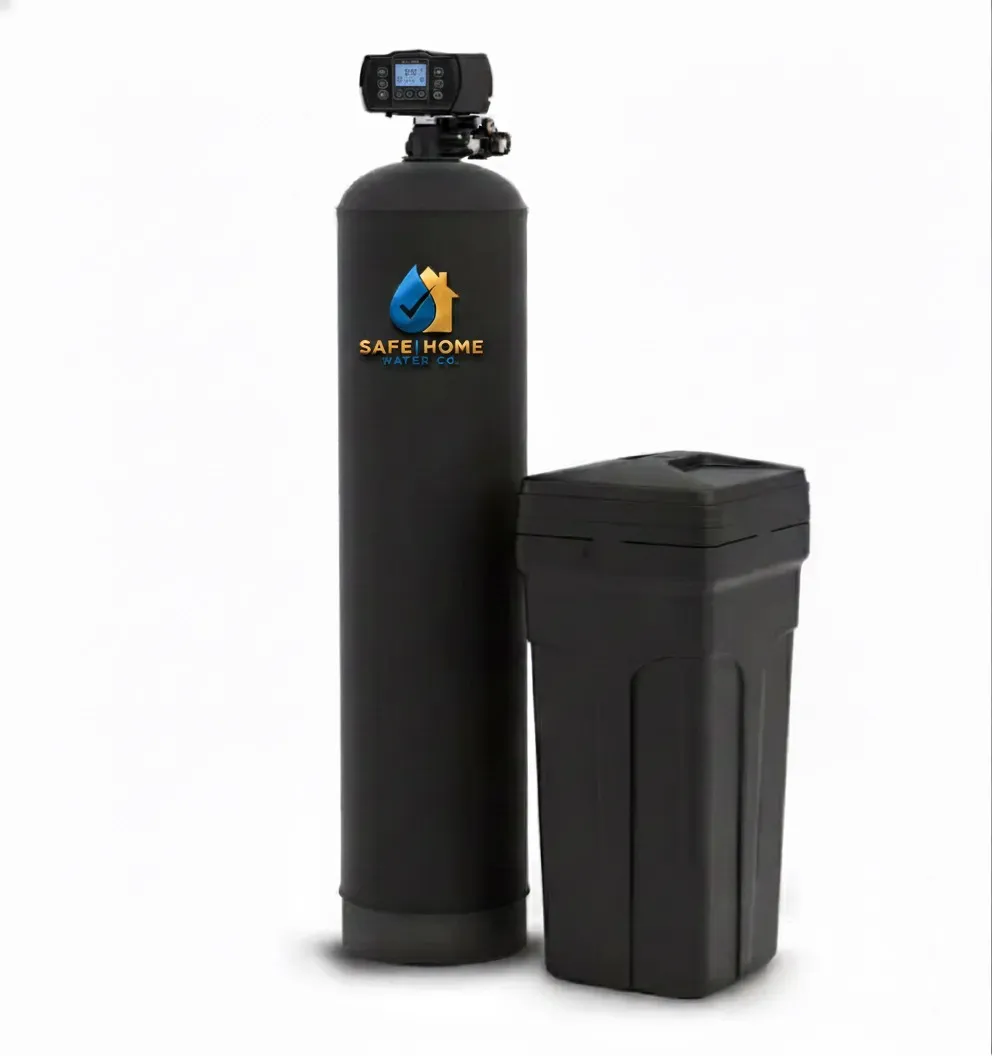
When Do We Install a Water Softener?
Water softeners are installed when testing shows elevated hardness caused by calcium and magnesium. In Connecticut, this is common in both city and well water and often shows up as dry skin and hair, soap that doesn't lather well, scale buildup on fixtures, cloudy glassware, and reduced efficiency or lifespan of appliances like water heaters, dishwashers, and washing machines. If hardness levels are high enough to cause scaling or comfort issues, a softener is recommended as a foundational treatment.
What Does a Water Softener Treat?
A water softener specifically removes hardness minerals-calcium and magnesium-through an ion exchange process. This prevents scale buildup in plumbing and appliances, improves soap and detergent performance, and helps water feel smoother on skin and hair. Depending on the system and water conditions, a softener can also help reduce small amounts of dissolved iron commonly found in Connecticut well water. It does not remove chlorine, sulfur odors, bacteria, PFAS, or other chemical contaminants, which is why softeners are often paired with additional filtration when needed.

Reverse Osmosis

Drinking Water

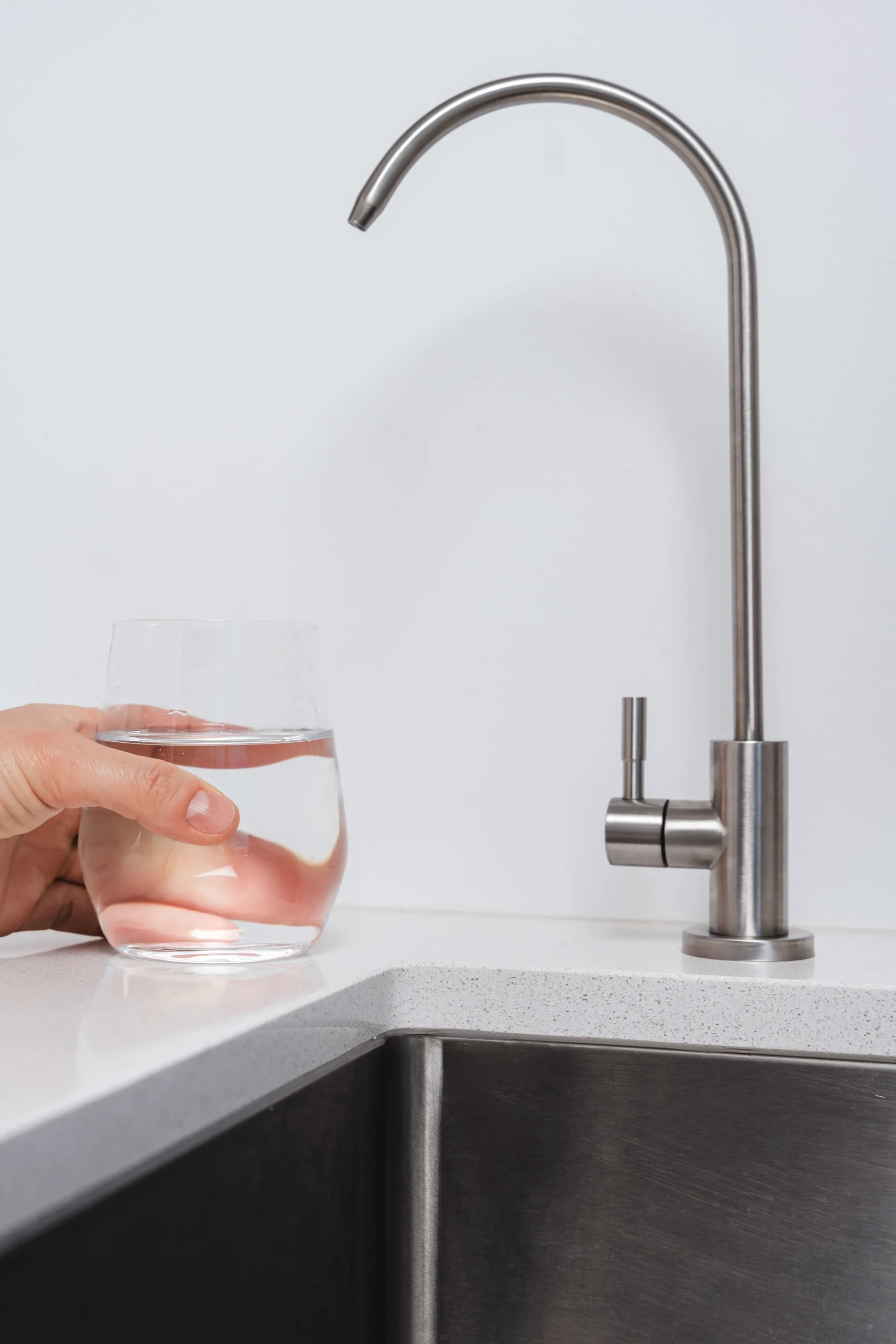
When Do We Install a Reverse Osmosis (RO) Drinking Water System?
Reverse osmosis systems are installed when homeowners want cleaner, better-tasting drinking water and a long-term alternative to bottled water. In Connecticut, RO is commonly used to improve taste and reduce dissolved contaminants from both city and well water. Instead of buying bottled water or relying on single-use filters, an RO system provides high-quality drinking and cooking water directly at your sink-saving money over time while reducing plastic waste and inconvenience.
What Does a Reverse Osmosis System Treat?
A properly designed RO system reduces a wide range of dissolved contaminants, including chlorine and chloramine taste and odor, dissolved minerals, sodium, nitrates, many metals, and other trace substances that affect water quality. By significantly lowering total dissolved solids (TDS), RO delivers consistently clean water for drinking, coffee, ice, and cooking. Over time, this helps extend the life of coffee makers, ice machines, and kettles-while eliminating the ongoing cost of bottled water and frequent store-bought filter replacements.

Whole-Home

Carbon Filtration

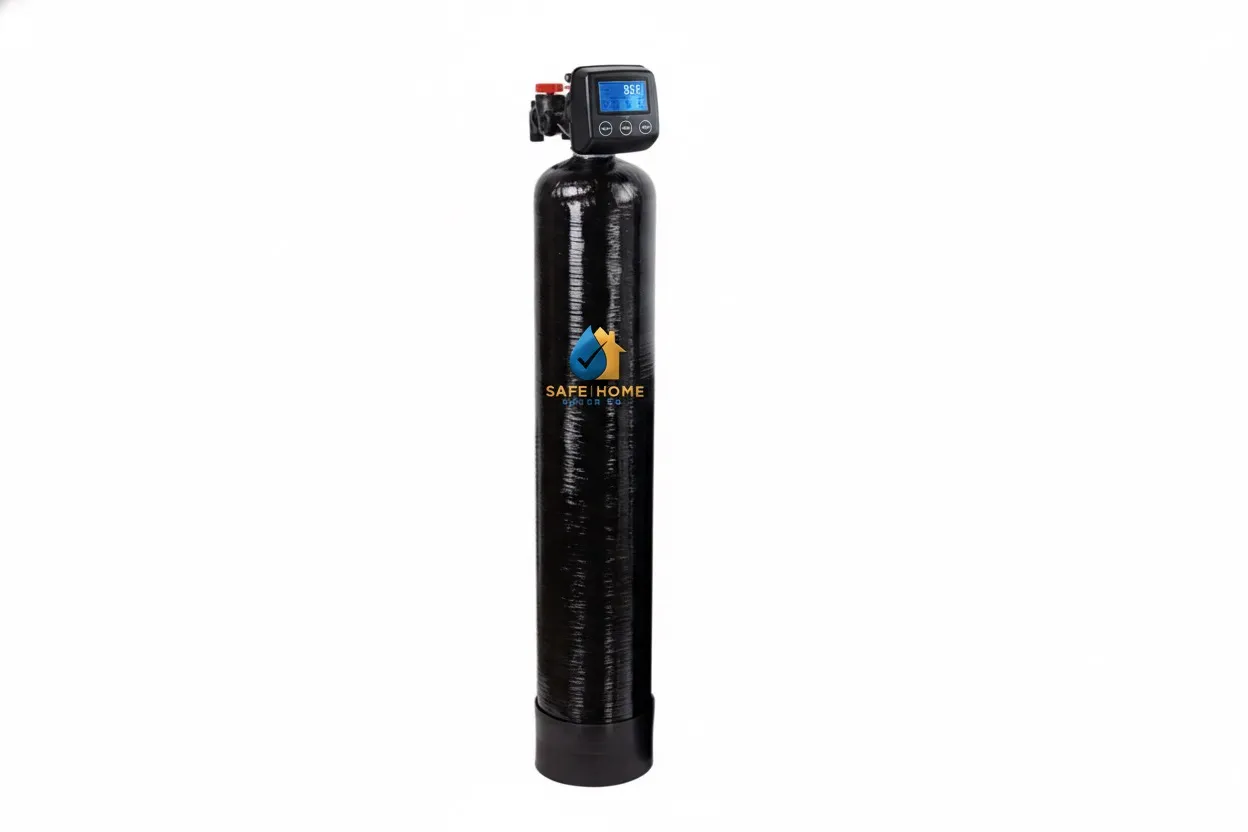
When Do We Install a Whole-House Carbon System?
Whole-house carbon systems are installed when testing shows taste, odor, or chemical concerns affecting water throughout the home. In Connecticut, this commonly includes chlorine or chloramines in city water and organic compounds, odors, or residual tastes in well water. Because this system treats all incoming water, it improves the quality of water at every tap-showers, sinks, laundry, and appliances-making it a foundational solution for overall comfort and water usability.
What Does a Whole-House Carbon System Treat?
A properly sized carbon tank reduces chlorine and chloramine taste and odor, organic compounds, and many substances that cause unpleasant smells or flavors. This helps protect plumbing and fixtures, improves air quality during showers, and allows skin and hair to retain natural moisture. By removing harsh disinfectants and chemicals before water enters the home, a carbon system can also extend the life of appliances and plumbing components-while reducing reliance on bottled water, shower filters, and point-of-use devices.

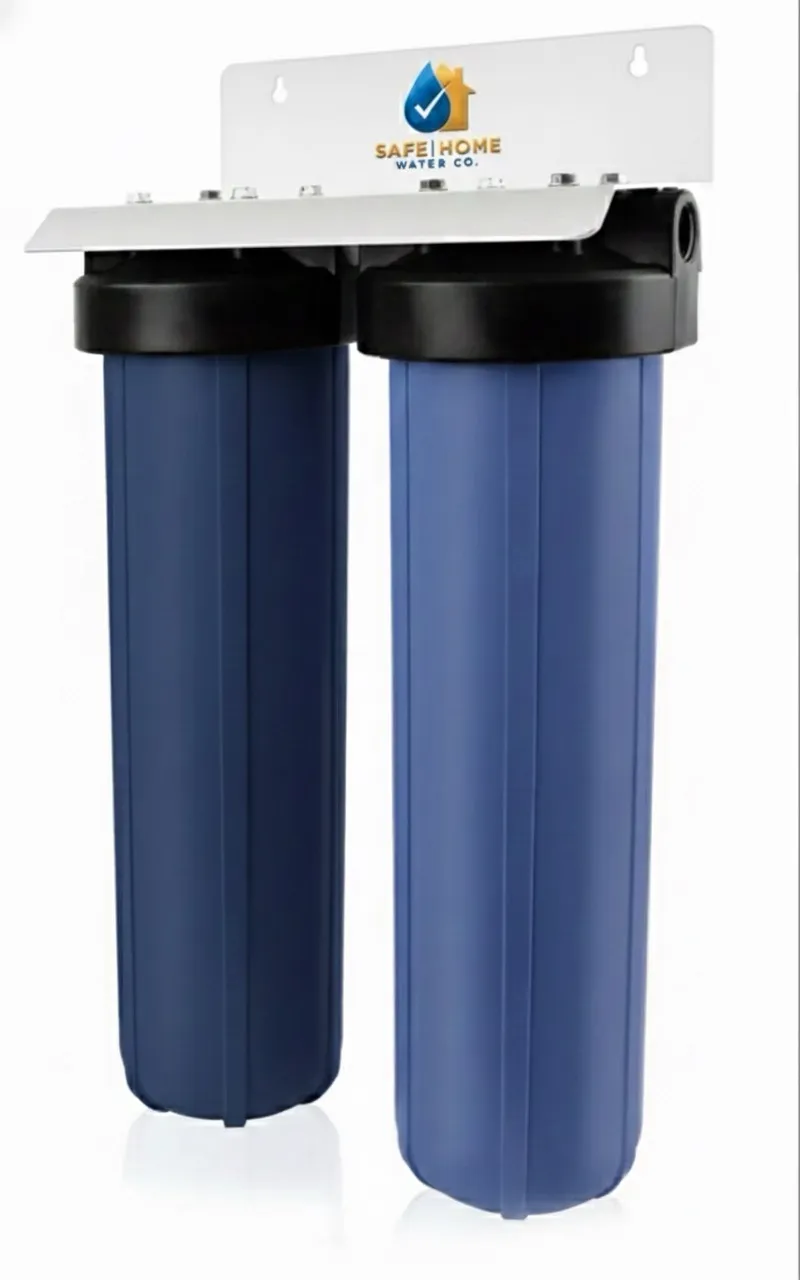
20" sediment +

carbon combo

When Do We Install a 20" Sediment + Carbon Combo Filter?
A 20" sediment and carbon combo filter is installed when testing shows visible sediment, discoloration, or chlorine-related taste and odor issues-but the water doesn't require a full tank-based system. In Connecticut, this is common in homes with city water experiencing sediment from aging infrastructure, as well as well water homes with sand, dirt, or fine particles. It's often used as an entry-level whole-home solution or as pre-filtration to protect more advanced equipment like water softeners, carbon tanks, or reverse osmosis systems.
What Does a 20" Sediment + Carbon Combo Filter Treat?
This system removes particulate matter such as sand, silt, rust, and debris while also reducing chlorine taste and odor and some organic compounds. By filtering sediment and chlorine at the point of entry, it helps protect plumbing fixtures, improve water clarity, and reduce buildup in appliances. It does not soften water or remove dissolved minerals, iron, sulfur, or bacteria, which is why it's commonly paired with additional treatment when those issues are present.

This system removes particulate matter such as sand, silt, rust, and debris while also reducing chlorine taste and odor and some organic compounds. Filtering sediment and chlorine at the point of entry, it helps protect plumbing fixtures, improve water clarity, and reduce buildup in appliances. It does not soften water or remove dissolved minerals, iron, sulfur, or bacteria, which is why it’s commonly paired with additional treatment when those issues are present.

Success

Thank you! Form submitted successfully.

This field is required
  • Berlin
  • Meriden
  • Wallingford
  • Southington
  • New Britain
  • Newington
  • Cromwell
  • Middletown
  • Cheshire
  • Wethersfield
  • Rocky Hill
  • North Haven
  • Hamden
  • Hartford
  • West Hartford
  • East Hartford
  • Glastonbury
  • Farmington
  • Bristol
  • Plainville
  • Durham
  • Haddam
  • Killingworth
  • Branford
  • East Haven
  • New Haven
  • Milford
  • West Haven
  • West Haven
  • Old Saybrook
  • Guilford
  • Madison
  • Clinton
  • Westbrook
This field is required
  • White spots
  • Dry skin/hair
  • Teste/Smell Issues
  • Stains
  • Just curious
  • Other
This field is required